
Introduction to Kyoto
Kyoto, the ancient capital of Japan, is a city that beautifully blends history, culture, and modernity. Known for its stunning temples, traditional wooden houses, and serene gardens, Kyoto offers a glimpse into Japan’s rich past while still embracing contemporary life. Whether you’re a history enthusiast, a nature lover, or someone who enjoys exploring vibrant urban settings, Kyoto has something to offer for everyone.
The Historical Significance of Kyoto
Kyoto served as Japan’s capital for over a thousand years, from 794 until 1868. This long history has left an indelible mark on the city, visible in its architecture, traditions, and cultural practices. Here are some key points about Kyoto’s historical significance:
- Home to 17 UNESCO World Heritage Sites, including famous temples and shrines.
- Preserved traditional crafts and arts, such as kimono weaving and tea ceremonies.
- Rich in festivals and cultural events that reflect its historical roots.
Exploring the Temples of Kyoto
The temples of Kyoto are perhaps its most captivating feature. Each temple tells a story and offers a unique experience. Here are some of the must-visit temples:
Kinkaku-ji (Golden Pavilion)
Kinkaku-ji, or the Golden Pavilion, is one of Kyoto’s most iconic landmarks. Its top two floors are covered in gold leaf, reflecting beautifully in the surrounding pond.
- Built in 1397 as a retirement villa for Shogun Ashikaga Yoshimitsu.
- Surrounded by stunning gardens that change with the seasons.
- A UNESCO World Heritage Site.
Kiyomizu-dera
Kiyomizu-dera is famous for its wooden stage that juts out over the hillside, offering breathtaking views of the cherry and maple trees below.
- Founded in 778, the temple is dedicated to Kannon, the goddess of mercy.
- Visitors can drink from the Otowa Waterfall for good luck.
- Features beautiful cherry blossoms in spring and vibrant foliage in autumn.
Fushimi Inari Taisha
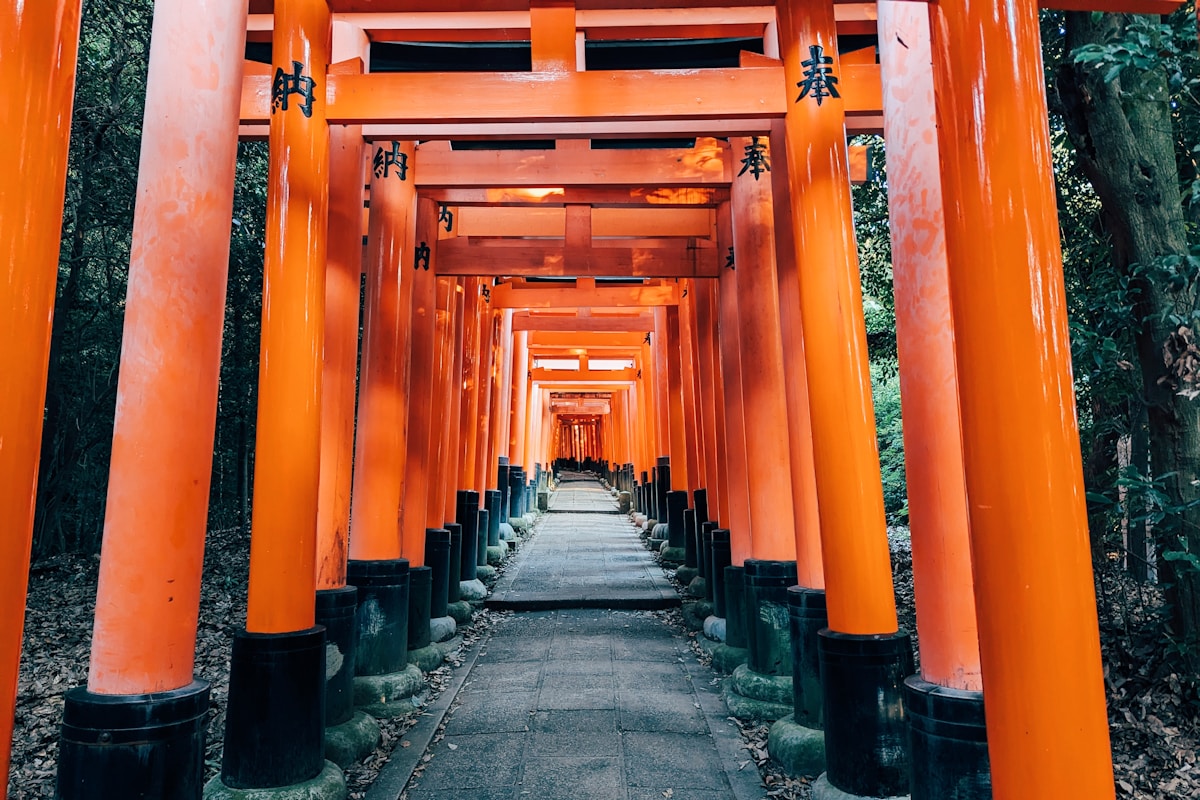
Fushimi Inari Taisha is renowned for its thousands of vermillion torii gates that create stunning pathways up the sacred Mount Inari.
- Dedicated to Inari, the Shinto god of rice and agriculture.
- Visitors can hike the trails for panoramic views of Kyoto.
- The gates are donated by individuals and businesses, with inscriptions honoring them.
Experiencing Traditional Culture
Beyond the temples, Kyoto is a hub for traditional Japanese culture. Here are some ways to immerse yourself in the city’s rich heritage:
Tea Ceremonies
The Japanese tea ceremony, or “chanoyu,” is an art form that embodies harmony, respect, purity, and tranquility. Participating in a tea ceremony allows visitors to experience this unique cultural practice.
Kimono Wearing
Wearing a kimono is a quintessential Kyoto experience. Many rental shops throughout the city allow you to dress in traditional attire while exploring the streets.
Traditional Arts and Crafts
Kyoto is known for its traditional crafts, including:
- Kyo-yaki: A type of pottery that is beautifully hand-painted.
- Kyo-sensu: Folding fans that are intricately designed.
- Kyo-yaki: Textile arts, including silk weaving and dyeing.
Modern Kyoto: A Blend of Tradition and Innovation
While Kyoto is steeped in history, it is also a city that embraces modernity. The contrast between ancient temples and contemporary architecture is striking. Here are some highlights of modern Kyoto:
Innovative Architecture
Kyoto’s skyline features modern buildings that complement its historical sites. Notable examples include:
- The Kyoto Station, known for its futuristic design.
- The Kyoto International Conference Center, which blends nature with modern design.
Culinary Delights
Kyoto is also famous for its cuisine, which combines traditional ingredients with modern culinary techniques. Must-try dishes include:
- Kaiseki: A multi-course dining experience that showcases seasonal ingredients.
- Yudofu: A simple yet delicious tofu dish often enjoyed in temples.
- Matcha Sweets: Desserts made with green tea powder, a specialty of the region.
Conclusion: The Allure of Kyoto
Kyoto is a city that captivates every traveler with its rich history, stunning temples, and vibrant culture. Whether wandering through ancient streets or enjoying a modern culinary experience, visitors will find themselves enchanted by the blend of tradition and modernity. A trip to Kyoto is not just a journey through space but also through time, making it a must-visit destination for anyone seeking to understand the essence of Japan.